Although a vegan athlete's diet plan may be different than that of a traditional competitor, the basic principles are the same. For vegan athletes, the key nutrients are protein and omega-3 oils. High-fructose and sodium corn syrup are unacceptable and should be avoided. High-fructose syrup is a major cause of inflammation. But there are many other options to obtain enough nutrients from your diet.
Vegan athletes should eat protein.
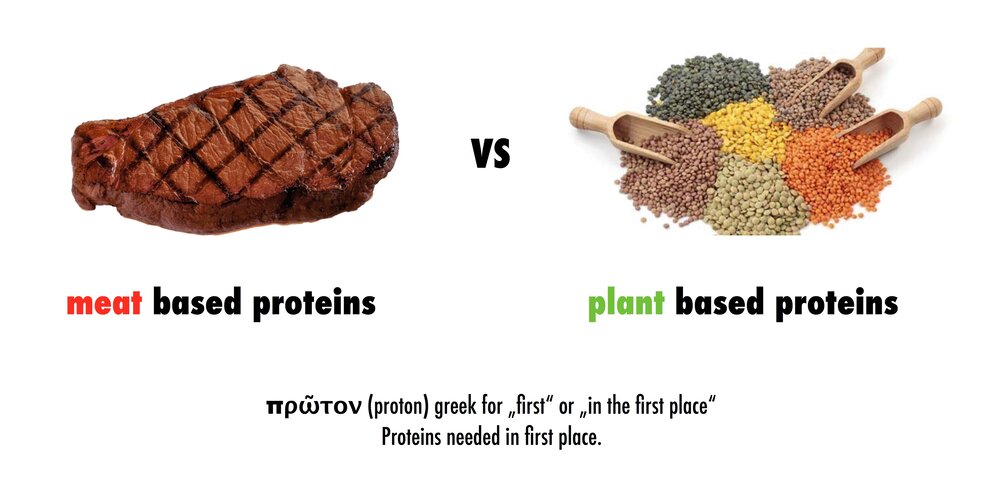
Protein is one of the most vital nutrients for vegan athletes. As a result, it's important for athletes to know their protein requirements in order to perform at their peak. Athletes don't eat animal products like vegetarians. They may therefore need to consume more plant protein. The type of sport, weight and caloric intake will determine the protein needs of a vegan athlete.
An athlete who is vegan has different protein needs. According to the ISSN, he should consume 0.7-1.8 grams of protein every kilogram of his body weight. A 140-pound runner requires 70 to 112g per day. One to two cups of soy milk per day can be sufficient for a vegan athlete. Vegan football players need between 145 and 193 grams of protein daily. They should also consume half a cup of peanuts each day.

Avoiding high-fructose corn syrup
High-fructose corn syrup is a common ingredient in processed foods. Many processed foods are produced in factories before shipping. This means that they contain high fructose. It is difficult to digest and can cause diabetes, high blood sugar, and heart disease. You should avoid it as much possible.
If you are a vegan athlete, you might be wondering how to avoid high fructose corn syrup. It's a common sweetener but it is not healthy. It can cause obesity and diabetes, and is found in almost everything we eat. You can make your own vegan food, even if high-fructose Corn Syrup is not used.
It is important to get enough n-3 essential fatty acids
Vegan and vegetarian athletes should ensure that they get enough n-3 fatty acid. A vegan diet tends to be lower in protein, calories, and fat than a conventional diet. Vegan athletes should ensure they are getting enough calcium as well as n-3 fatty acid. A vegan diet is also more likely to contain less vitamin B12 than n-3. While it is not as digestible and absorbable as plant-based foods but can still be healthy for athletes,
Vegan athletes may also be able to take a supplement containing supplemental DHA oil from microalgae. Both sources of n-3 fatty acids can improve athletes' performance and health. Research on vegan athletes' optimal n-3 fatty acids diet is still limited. However, researchers recommend that athletes consume a daily amount of EPA (and DHA) for their health. For this to happen, vegan athletes will need two grams of microalgae olive oil or approximately 2-4 capsules if they are using a commercial product.
Getting enough calcium
It is best to eat small amounts of calcium to ensure adequate calcium intake for vegan athletes. One cup of leafy greens should provide about two to three grams of calcium. Oranges, sweet potatoes and blackstrap molasses are good sources of calcium. Corn tortillas are another good source. It doesn't matter how you consume calcium, it is important that you get enough each day.
Other great plant-based sources of calcium include almonds and lentils. Almonds and lentils both contain enough calcium to satisfy a person's daily requirements. These two food options can provide approximately 10 percent of the daily calcium requirements for an individual. They are high in fiber, proteins, and other nutrients. For those who don't have enough calcium, you might consider a fortified snack.
FAQ
How can I live my best everyday life?
Find out what makes YOU happy. This is the first step in living a life that you love. Once you've identified what makes your happy, you can start to work backwards. You can also talk to others about how they live their best days every day.
You can also check out books like "How to Live Your Best Life" from Dr. Wayne Dyer. He talks about finding happiness and fulfillment in all aspects of our lives.
How can I lower my blood pressure
It is important to first understand what high blood pressure is. You must then take steps towards reducing the problem. This could be as simple as eating less salt, losing weight (if necessary), or even taking medication.
You also need to make sure you are getting enough exercise. If you don't have time for regular exercise, then try walking as often as possible.
You should join a gym if you are unhappy with your exercise routine. A gym that has other members who share your goals will be a good place to start. You will find it easier to keep to a workout schedule if you have someone to watch you at the gym.
Exercise: Good or Bad for Immunity?
Exercise is good for your immune system. Your body creates white blood cells, which are immune-boosting and fight infection. You also get rid toxins. Exercise helps prevent diseases like cancer and heart disease. It reduces stress.
Exercising too frequently can make your immune system weaker. Your muscles can become sore if you exercise too much. This can lead to inflammation and swelling. To fight infection, your body will produce more antibodies. This can lead to allergic reactions and other autoimmune disorders.
So, don't overdo it!
Statistics
- In both adults and children, the intake of free sugars should be reduced to less than 10% of total energy intake. (who.int)
- Extra virgin olive oil may benefit heart health, as people who consume it have a lower risk for dying from heart attacks and strokes according to some evidence (57Trusted Source (healthline.com)
- According to the Physical Activity Guidelines for Americans, we should strive for at least 150 minutes of moderate intensity activity each week (54Trusted Source Smoking, harmful use of drugs, and alcohol abuse can all seriously negatively affect your health. (healthline.com)
- This article received 11 testimonials and 86% of readers who voted found it helpful, earning it our reader-approved status. (wikihow.com)
External Links
How To
How to stay motivated for healthy eating and exercise
Healthy living: Motivational tips
Motivational Tips for Staying Healthful
-
Make a list with your goals
-
Set realistic goals
-
Be consistent
-
When you reach your goal, reward yourself
-
Do not give up even if you fail your first attempt.
-
Have fun